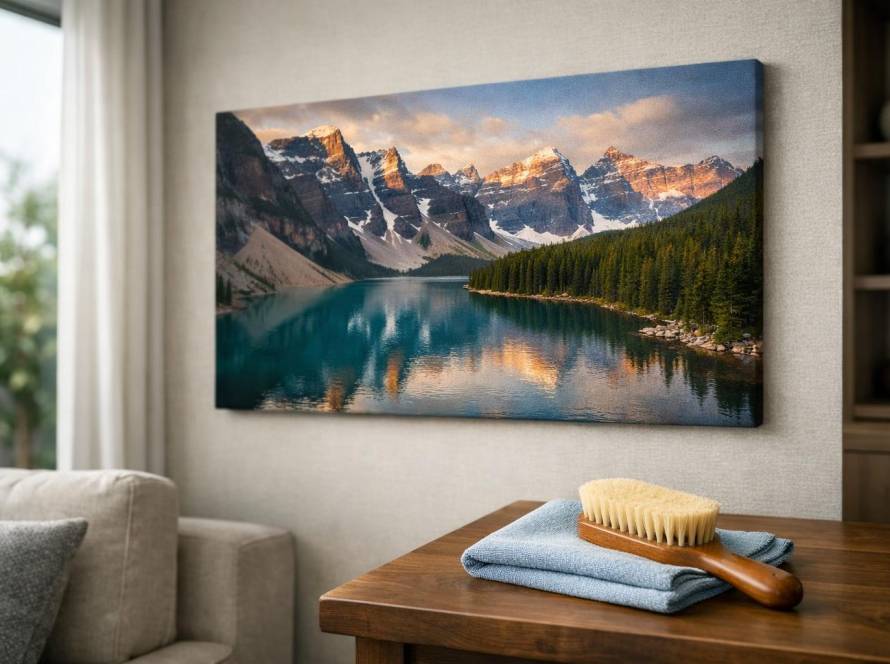
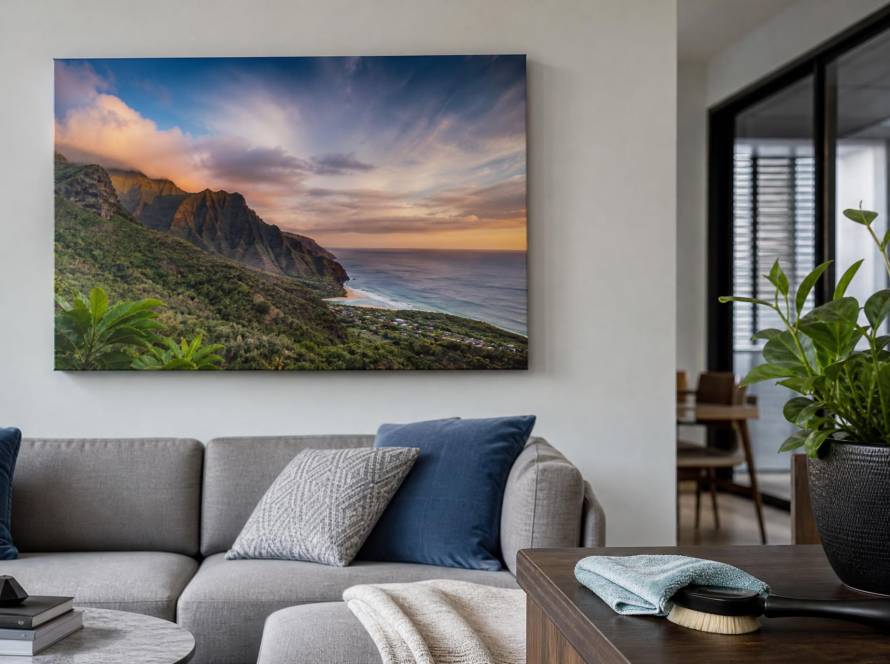
Singapore’s tropical sun is both a blessing and a challenge for homeowners who love displaying canvas prints. With UV indexes averaging 6 to 10 on clear days, even a few hours of direct sunlight can fade inks and weaken canvas fibres over time. But you don’t have to hide your favourite photo or art piece in a dark corner. By using a few practical strategies, you can enjoy your canvas prints while keeping them safe from sun damage. This guide covers everything from material choices to placement tips, so your investment stays vibrant for years.
Understanding UV Impact on Canvas Art
Ultraviolet (UV) radiation from sunlight breaks down the chemical bonds in ink pigments and fabric dyes. On standard canvas prints without protection, colours can start to shift noticeably within six to twelve months of direct exposure. In Singapore’s climate, where sunlight is intense year-round, the effect is accelerated by high humidity—moisture in the air can make the canvas fibres more vulnerable to degradation.
Common signs of UV damage include:
– Yellowing or greying of white areas
– Fading of blues, reds, and other vibrant colours
– Cracking or brittleness of the surface coating
– Uneven discolouration where shadows or frames block light
The good news is that modern canvas printing technology offers several ways to slow or prevent this process. The key is to start with the right materials.
How UV Affects Different Canvas Types
Not all canvas is created equal. Polyester-based canvas tends to be more resistant to moisture but can warp under heat. Cotton canvas, on the other hand, is more breathable and typically used for fine-art reproduction, but it’s more susceptible to UV fading. At Canvas Craft, we use a premium cotton-polyester blend that balances colour absorption with durability. But even the best canvas needs added UV protection to last in a Singapore living room.
Choosing UV-Resistant Materials and Coatings
When you order a canvas print, ask about the protective coating applied after the image is printed. Most professional studios use a liquid laminate or spray that adds a UV-blocking layer. These coatings are invisible and don’t change the texture of the canvas, but they can reduce UV damage by up to 70%.
Types of UV Coatings
- Clear matte coating: Reduces glare and preserves the natural canvas feel. Best for photographic prints.
- Glossy coating: Adds a bit of shine and light reflection. Works well for vibrant abstract art.
- UV varnish: A thicker, more durable layer often used for outdoor signage. Overkill for indoor use, but offers maximum protection.
If you’re ordering a custom print for a sun-drenched HDB living room or a condo balcony wall, choose a matte UV coating. It provides solid protection without making the image look plastic. Browse our gallery to see examples of matte-finished prints that hold up well in bright spaces.
Ink Quality Matters
Pigment-based inks are far more UV-resistant than dye-based inks. Giclée printing, which uses high-quality pigment inks, can last 50 to 100 years under normal indoor conditions—but only if the canvas also has a UV barrier. If you’re ordering a print for a wedding gift or a new BTO flat, always confirm that the studio uses pigment inks and a UV laminate. We do that as standard for all our canvas prints.
Placement Strategies for UV Exposure Reduction
Where you hang your canvas is just as important as its coating. In a typical Singapore home—whether it’s a 3-room HDB, a 4-room BTO, or a condo—sunlight often enters through large west-facing windows. Over time, that angled afternoon sun can hit your artwork hard.
Best Spots for Canvas Prints
- North-facing walls: These receive the least direct sunlight, making them ideal for canvas displays.
- East-facing walls in morning: Morning light is milder and less damaging than afternoon rays.
- Hallways and corridors: These are naturally darker and have less direct UV exposure.
- Above sideboards or bookshelves: Furniture provides a buffer zone that reduces direct light.
What to Avoid
Don’t hang canvas prints on walls that get direct sunlight for more than two hours a day—especially if the window has no curtain or blinds. In open-concept condos with floor-to-ceiling glass, the lower third of the wall is often safer than eye level, because the sun hits higher first.
If you’re printing a large piece for a living room feature wall, consider using a UV-blocking glass or acrylic frame instead of an open wooden frame. The glass adds an extra layer of protection. For unframed gallery-wrapped canvases, the coating is your only defence, so placement becomes critical.
Alternative Solutions: Using UV Films and Curtains
Sometimes you can’t change where the art hangs—but you can change what’s between the sun and the canvas.
UV Window Films
These are thin, transparent films that stick directly to your window glass. They block 99% of UV rays while still letting in natural light. In a Singapore HDB or condo, this is a practical solution for any room with a large window. You don’t need to replace your curtains, and the film is almost invisible from the inside.
Cost is around $5–$15 per square foot, depending on quality. Professional installation is recommended for windows over 1.5 metres wide. If you’re renting, check with your landlord first—some films are removable without residue.
Sun-Blocking Curtains
Heavy blackout curtains or lined drapes can reduce UV transmission by 80%. But they’re less practical if you want to keep the room bright. A middle-ground option is sheer UV-blocking curtains that look like lightweight linen but are woven with UV-blocking threads. These work well in Singapore’s humidity because they’re breathable and don’t trap heat.
If you have a canvas print in a room where you need natural light during the day—like a home office—use a combination: UV film on the glass plus a sheer curtain. That gives you two layers of protection without blocking the view.
Customer Stories: Success in UV-Protected Canvas Art
Case 1: A couple with a 4-room BTO in Sengkang hung a large family photo canvas over their TV console. The wall faces west, and afternoon sun hits it from 2pm to 5pm. After six months, they noticed the edges of the print starting to yellow. They replaced it with a UV-coated canvas from Canvas Craft and added a sheer curtain. Now, two years later, the print looks as vibrant as the day it was delivered.
Case 2: A photographer in a Serangoon condo had a series of landscape prints in his study. He used UV varnish on the canvases and installed UV film on the full-height windows. He reports that the prints are still colour-true after four years—even the ones that get direct morning light. He also recommends rotating prints every 12 months if you have multiple pieces, so no single one gets all the sun.
These stories aren’t unique. In Singapore’s bright environment, a small investment in UV protection—whether in coating, placement, or window treatment—makes a big difference over time.
Periodic Maintenance: Keeping UV Protection Intact
UV coatings don’t last forever. Over time, they can wear away from dust, cleaning, or humidity. Here’s how to extend their life:
Dusting and Cleaning
- Use a soft, dry microfibre cloth to gently wipe the canvas every two weeks. Avoid wet cloths—moisture can weaken the coating.
- If you need deeper cleaning, use a compressed air duster (like the kind for keyboards) to remove debris from the canvas surface.
- Never use chemical spray cleaners. They can strip the UV layer.
Re-Coating
For canvas prints in high-light areas, consider having a professional reapply a UV varnish every 3–5 years, especially if you start seeing colour shifts. This is a common service offered by print shops. At Canvas Craft, we offer a re-coating service for prints you ordered with us—just check our FAQ or contact our team for details.
Rotating Artwork
If you have multiple canvases, rotate them between bright and shaded spots every 6 to 12 months. This prevents one piece from taking all the UV damage while others stay fresh. It also refreshes your decor.
Frequently Asked Questions
1. Can I hang a canvas print in direct sunlight if it has a UV coating?
A UV coating slows down fading, but it doesn’t stop it completely. In direct sun, light will still penetrate. For best results, hang coated prints in areas with indirect sunlight or use window treatments to cut UV exposure.
2. How long do UV-protected canvas prints last in Singapore?
With a good UV coating and pigment inks, a canvas print can stay vibrant for 10–15 years in normal indoor conditions. In high-sun areas, expect 5–8 years before noticeable change. Proper placement and curtains extend that lifespan.
3. Are UV window films easy to install?
Yes, most come with a peel-and-stick backing. But for large windows, professional installation ensures no bubbles or air gaps. Many Singapore hardware stores and handyman services offer quick installation.
4. What’s the best way to clean a canvas print without damaging the coating?
Use a dry microfibre cloth in a gentle motion. Avoid pressure. For stubborn dust, use a low-suction vacuum with a brush attachment. Never spray water or cleaners directly on the canvas.
5. Is a cheaper canvas print more likely to fade?
Yes. Lower-cost prints often use dye-based inks and skip UV coatings. A premium canvas from a dedicated studio like Canvas Craft uses pigment inks and a protective laminate. It costs more upfront but saves you from replacement costs later.
For more details on sizes, prices, and ordering, explore our Canvas Sizes and Pricing page, or learn about our printing process.