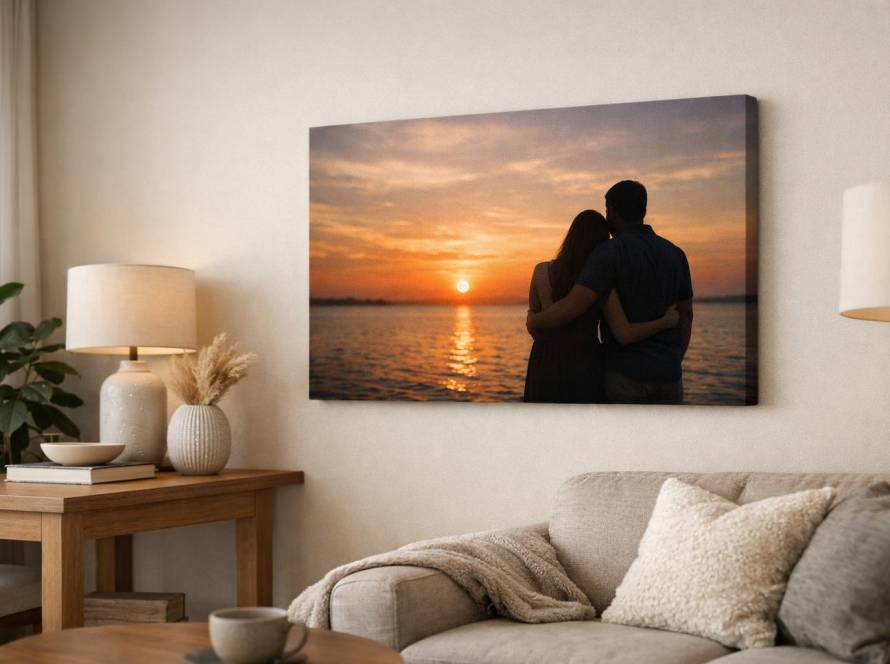
Renting a flat in Singapore does not mean living with bare walls. Canvas wall art is a popular way to add colour, personality, and a sense of home to a rental, and it is often easier to plan than built-in changes. But if you search online for advice on hanging canvas in a rental, you will find a lot of confident instructions about adhesives, wall types, cleaning, and climate. Much of that advice is generic, and some of it can put your security deposit at risk.
This guide takes a different approach. Instead of telling you which product or method to use, it walks through what to verify before you act, what to document, and what questions to ask. The goal is a display you enjoy and a tenancy you can close cleanly.
Why a Verification-First Approach Matters for Renters
Rental agreements in Singapore vary. Some landlords are relaxed about picture hooks; others specify exactly what may and may not be fixed to walls. The condition of the wall itself also varies from unit to unit. Because these details are specific to your lease and your flat, no general article can tell you what is safe for your situation.
What a general article can do is help you ask better questions. Before buying or hanging anything, treat these as your starting points:
- Your tenancy agreement: Read the clauses on alterations, fixtures, and making good. If the wording is unclear, ask your landlord or agent in writing.
- Your landlord or agent: Confirm what is permitted before you commit to a method. A quick message now can prevent a deduction later.
- The wall itself: Note the surface type and current condition. If you are unsure what you are looking at, ask someone qualified rather than guessing.
- The artwork: Check the maker’s or seller’s own documentation for any guidance on handling, display, or care. Do not rely on forum posts.
If any of these four sources conflict, the safest path is to pause and clarify rather than proceed.
What to Check Before Choosing a Display Approach
1. Your lease and your landlord’s expectations
Start with the paperwork. Look for language about wall fixings, adhesives, and restoration. If the agreement is silent or ambiguous, get written confirmation of what is acceptable. This is the single most useful step a renter can take, and it costs nothing.
2. The wall surface and its current state
Walls differ. Paint, texture, and underlying construction all affect how a surface behaves, but the specifics depend on your unit. Rather than assuming, record what you observe. Photograph the wall before you display anything, including any existing marks, cracks, or unevenness. This creates a baseline you can refer to at move-out.
3. The artwork’s own documentation
Reputable makers and sellers often provide guidance on how their products should be handled and displayed. Read that material and follow it. If documentation is missing, ask the seller directly. For canvas prints, you can explore options and ask questions through the Canvas Craft FAQ or browse the gallery for a sense of what is available.
4. Your own tolerance for risk
Some renters are comfortable with a display that requires minor making good at move-out. Others want zero wall contact. Neither choice is wrong, but be honest about which one you are. If you want zero wall contact, focus on freestanding or lean-to arrangements and confirm with your landlord that these are acceptable.
Planning Layouts Without Wall Modification
You can create a strong display without fixing anything to the wall. The key is to plan the composition before you buy.
- Lean-to displays: A canvas resting on a shelf, ledge, or floor can look intentional when grouped with other objects. Check that the arrangement is stable and out of walkways.
- Freestanding supports: Some renters use furniture or existing ledges as display surfaces. Confirm that whatever you use is stable and appropriate for the artwork’s size.
- Furniture relationships: Place art in relation to what is already in the room. A canvas above a sofa, beside a desk, or on a console can anchor a space without touching the wall.
- Sightlines: Consider what you see when you enter the room and where you sit. Art placed at eye level from a seated position often feels more connected to the space.
If you are unsure about sizing for a particular wall or arrangement, paper templates can help you visualise proportions before committing. For custom dimensions, Canvas Craft offers custom canvas dimensions by quotation, and you can enter your preferred dimensions on the Order page.
Documenting Your Rental Before and After
Good documentation protects you at move-out. It also helps you plan. Before displaying anything:
- Photograph each wall you plan to use, including close-ups of any existing marks.
- Note the date and keep the images in a folder you can find later.
- If you discuss display plans with your landlord or agent, keep the conversation in writing.
- After removing your display at move-out, photograph the same walls again from the same angles.
This record is useful whether or not a dispute arises. It also gives you a clear reference if you want to restore the wall to its original condition.
Questions to Ask Before You Commit
If you are unsure about any part of your plan, ask. These questions are worth putting to your landlord, your agent, or a qualified professional:
- Does my tenancy agreement permit this type of display?
- If minor making good is required, what standard will be applied at move-out?
- Does the artwork’s maker or seller provide guidance on display or handling?
- If I am unsure about the wall surface, who can assess it?
- What documentation should I keep in case of a dispute?
For questions about canvas prints themselves, the Canvas Craft FAQ is a reasonable starting point. For questions about your lease or your walls, speak to the relevant people directly.
Frequently Asked Questions
Can I hang canvas wall art in a rental flat without damaging the wall?
That depends on your tenancy agreement, your landlord’s expectations, and the wall itself. Check your lease, confirm in writing, and document the wall’s condition before you display anything. No general article can confirm what is safe for your specific unit.
What should I do if my lease does not mention wall fixings?
Ask your landlord or agent for written clarification. If the answer is unclear, consider a freestanding or lean-to arrangement instead, and confirm that this is acceptable.
How do I choose a canvas size for a rental room?
Start with the wall or surface you plan to use, then consider the furniture around it and the sightlines from where you sit or enter. Paper templates can help you judge proportions. For custom dimensions, Canvas Craft offers custom canvas dimensions by quotation, and you can enter your preferred dimensions on the Order page.
What should I photograph for tenancy records?
Photograph each wall you plan to use, including close-ups of existing marks, before and after your display. Keep the images dated and stored where you can find them. If you discuss plans with your landlord or agent, keep that conversation in writing.
Where can I see examples of canvas prints?
You can browse the Canvas Craft gallery for inspiration. If you want to understand sizing and pricing, the sizes and prices page is a useful reference.
The Bottom Line
Canvas wall art can work well in a rental flat, but the details matter. Rather than following generic advice, verify what your lease allows, document the condition of your walls, read the artwork’s own documentation, and ask questions when anything is unclear. That approach protects your deposit and helps you create a display you actually enjoy.