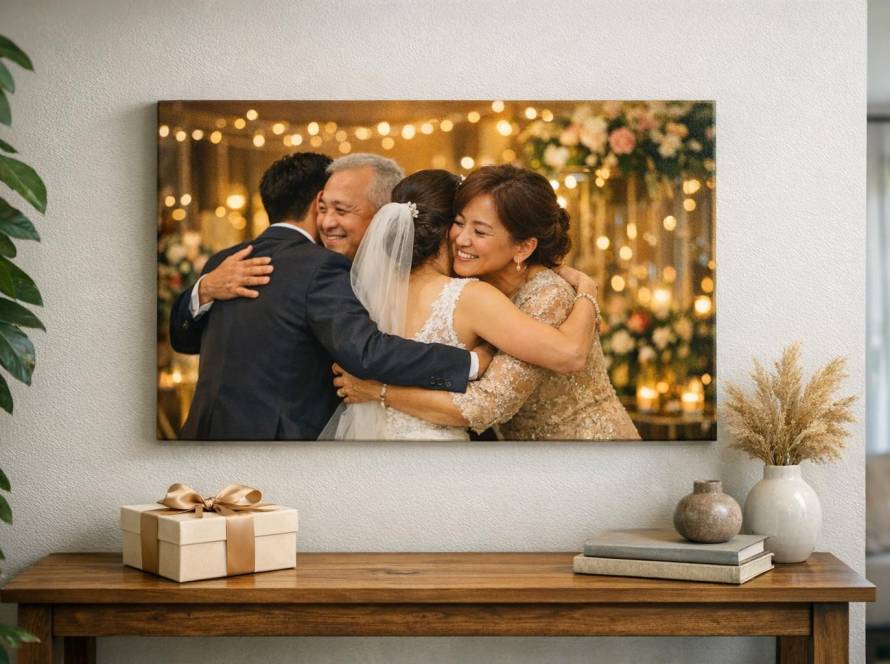
Decorating a home in Singapore often means balancing aesthetics with practicality. With more homeowners shifting towards sustainable living, the choice of wall art is no exception. Eco-friendly canvas wall art offers a way to personalise your space while reducing environmental impact. Whether you live in a compact HDB flat, a new BTO, or a condominium, sustainable canvas prints can align with your green values without compromising on style.
What Makes Canvas Prints Eco-Friendly?
The term “eco-friendly” can be vague, but in the context of canvas prints, it refers to specific choices throughout the production process. Here’s what to look for:
1. Sustainable Materials
Canvas prints are typically made from cotton or polyester blends. Eco-friendly options use organic cotton, recycled polyester, or a combination of both. The frame, usually made from pine or spruce, should come from sustainably managed forests (look for FSC certification). Inks also matter – water-based, solvent-free inks are less harmful than traditional petroleum-based alternatives.
2. Reduced Waste Practices
Printing on demand (instead of bulk manufacturing) reduces overproduction. Some studios also offer recycled or biodegradable packaging. For Singapore homeowners, where space is at a premium, ordering custom-sized prints that fit your wall exactly means less trimming waste.
3. Local Production
Choosing a local printing studio in Singapore shortens the supply chain, cutting down on shipping emissions. Canvas Craft, for example, prints and assembles in Singapore, which also ensures faster delivery and easier quality checks – a practical advantage for humid climates where canvas must be handled carefully.
Popular Eco-Themed Designs and Inspirations
Eco-conscious homeowners in Singapore often gravitate towards nature-inspired imagery. Here are some popular themes that blend sustainability with personal style:
Botanicals and Tropical Leaves
From monstera to ferns, Singapore’s love for indoor plants extends to wall art. Leafy prints bring a fresh, airy feel to any room, especially when paired with natural wood frames. They work well in living rooms or bedrooms of HDB flats and condos alike.
Sea and Coastal Scenes
Given our island location, coastal photography – quiet beaches, rolling waves, or mangrove forests – resonates. These images remind us of the need to protect our shores. A canvas print of a local beach like East Coast Park can be a conversation starter about marine conservation.
Recycled Art and Abstract
Some artists create digital compositions using recycled materials or low-impact techniques. Abstract prints with earthy tones (terracotta, olive, sand) are trendy and fit minimalist or Scandinavian interiors common in Singapore homes.
Personal Photography with a Green Twist
Casual photographers can turn their own shots of Singapore’s green spaces (Gardens by the Bay, MacRitchie, or even a neighbourhood park) into canvas art. This personalises the space while celebrating local nature.
Participating in Sustainable Practices with Canvas Art
Beyond the print itself, how you use and maintain canvas art can support sustainable habits:
Care in Humid Conditions
Singapore’s humidity can affect canvas over time – causing warping or mould. Eco-friendly prints often use moisture-resistant coatings that are still water-based. Hang canvases away from direct air-conditioning vents and avoid bathrooms. Dust regularly with a soft cloth; for deeper cleaning, a slightly damp cloth is enough.
Gifting with Purpose
Canvas prints make thoughtful gifts for housewarmings, weddings, or festivals like Chinese New Year. Pairing an eco-friendly canvas with a donation to a local environmental organisation (e.g., Zero Waste SG) turns the gift into a statement. Many Singaporean gift buyers now look for sustainable options as a way to express care for both the recipient and the planet.
Supporting Local Artisans
When you choose a studio that prioritises eco-friendly materials, you’re also supporting local businesses. Canvas Craft, for instance, offers a selection of sustainable canvas options and clearly states their materials on the product pages. Checking the About page can give you more insight into their environmental commitments.
Stories from Eco-Conscious Customers in Singapore
Real experiences help illustrate the value of eco-friendly canvas prints. Here are two anonymised examples based on common feedback:
Amanda, a BTO owner in Punggol, wanted to decorate her living room without adding to waste. She chose a set of three small botanical canvas prints from a local studio. She appreciated that the packaging was recyclable and that the prints arrived without extra plastic. “It was a small decision, but it felt good knowing I didn’t contribute to landfill,” she shared.
Ken, a freelance photographer in Bukit Timah, printed his own nature shots on eco-friendly canvas for a client’s office. He noted that the colours remained vibrant even after months in a humid environment. “I recommend asking if the studio uses water-based inks and FSC-certified frames – it makes a difference,” he said.
These stories highlight that eco-friendly choices are accessible and practical for Singapore homeowners.
Tips for Choosing Eco-Friendly Canvas Printing Services
Not all studios advertise their eco-credentials clearly. Here’s what to ask before placing an order:
- Materials: Does the canvas contain recycled content? Are frames FSC-certified?
- Inks: Water-based or solvent-free? Avoid UV-curable inks that may contain VOCs.
- Packaging: Is it plastic-free or recyclable? Some studios use cardboard tubes and paper tape.
- Local production: Is printing done in Singapore? This reduces transport emissions.
- Custom sizing: Can you order exact dimensions to avoid waste? Many studios, including Canvas Craft, offer custom sizes to fit your wall perfectly.
- Warranty and care: A good studio will provide care instructions that help the print last longer, reducing the need for replacement.
For a reliable reference, check the Gallery page to see finished examples and read how different materials look in real Singapore homes.
Disposing and Recycling Canvas Art Responsibly
At some point, you may need to replace or remove canvas art. Instead of throwing it into the general waste bin, consider these options:
- Donate: If the print is in good condition, donate to charities like The Salvation Army or Pass It On. Some community centres in Singapore also accept wall art.
- Repurpose: Remove the canvas from the frame and use it as a drop cloth for painting projects or as drawer liner. The wooden frame can be reused for DIY projects.
- Recycle: Check with local recycling centres – most accept paper-based materials. Canvas is a fabric (cotton/polyester) and can often be recycled through textile recycling programmes (e.g., Cloop). The frame wood can go into wood recycling bins if available.
- Upcycle: Paint over the canvas with acrylics to create a new artwork. This is a creative way to extend the life of the print.
Always remove any metal fittings (hooks, wires) before recycling. In Singapore, the National Recycling Programme accepts textiles and small wood items at designated bins – but check your local RC or town council for specifics.
Frequently Asked Questions
1. Are eco-friendly canvas prints more expensive?
Not necessarily. While premium sustainable materials may cost slightly more, many studios offer competitive pricing. The investment often pays off through durability – eco-friendly prints tend to last longer in Singapore’s climate when properly cared for.
2. Can I get custom sizes with eco-friendly materials?
Yes, many studios provide custom sizing. Ordering the exact dimensions you need reduces waste and ensures a perfect fit for your wall, especially in HDB or condo rooms where space is limited.
3. How do I know if my canvas print is truly eco-friendly?
Look for certifications (FSC for wood, OEKO-TEX for textiles) and ask about inks and packaging. Reputable studios will provide transparent information. If the details aren’t on the website, contact them directly.
4. What is the best way to clean an eco-friendly canvas print?
Use a soft, dry microfiber cloth to dust weekly. For stains, lightly dampen a cloth with water (no soap) and blot gently. Avoid soaking the canvas. Keep it out of direct sunlight to prevent fading.
5. Can I recycle canvas print packaging?
Most eco-friendly studios use cardboard and paper packaging that can be recycled in Singapore’s blue bins. Some use biodegradable plastic; check with your studio or your local recycling guidelines.
By choosing eco-friendly canvas wall art, you’re not just decorating your home – you’re contributing to a more sustainable future. Whether it’s a personal photo, a nature print, or an abstract piece, every thoughtful decision counts. Start exploring your options with a trusted local studio and see how easy it is to bring green style into your space.