Painted murals are a beloved feature in many schools, but they come with a hidden cost: maintenance. Over time, paint fades, cracks, and gets scuffed by daily foot traffic. Repainting a mural is not just a matter of buying a new tin of paint—it involves scaffolding, labour, and often taking the artwork out of commission for days. For schools in Singapore, where humidity and frequent cleaning can accelerate wear, the cycle of repainting can feel endless.
One practical alternative that is gaining attention is replacing painted murals with large-format photo canvas panels. This approach can preserve the visual impact of student art while significantly reducing long-term upkeep. In this guide, we’ll walk through the key considerations for schools—or any organisation—thinking about making the switch.
Why Painted Murals Are Costly to Maintain
Painted murals are typically applied directly to walls, which means any damage requires repainting the affected section. Matching the original colour and texture is often difficult, especially if the paint has aged or if the mural uses multiple layers and finishes. In high-traffic areas like corridors and gymnasiums, scuffs, scratches, and stains are common. Cleaning painted walls is also tricky—aggressive scrubbing can remove paint, while gentle cleaning may not remove marks.
In Singapore’s climate, humidity can cause paint to bubble or peel, especially on exterior walls or in poorly ventilated indoor spaces. Even with good quality paint, a mural may need a full repaint every few years. Each repaint cycle involves preparation, painting, and drying time, which can disrupt school activities and incur significant costs.
How Photo Canvas Panels Solve the Maintenance Problem
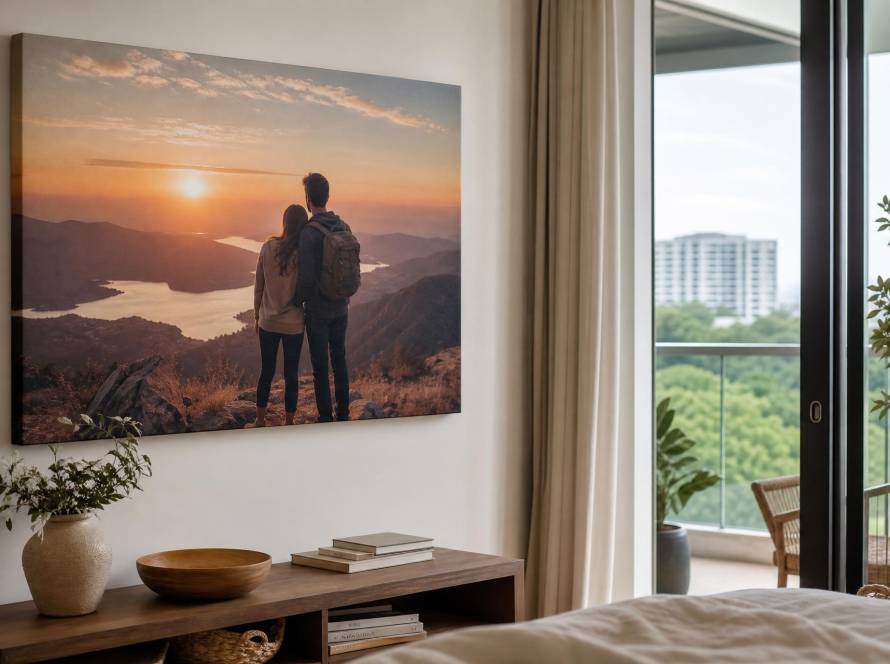
Photo canvas panels offer a different approach. Instead of painting directly on the wall, the artwork is printed onto canvas and mounted on a frame. The panels are then attached to the wall, creating a finished look that is both durable and replaceable.
When a canvas panel gets dirty, it can often be wiped down with a damp cloth. If a panel is damaged beyond repair, it can be replaced individually without affecting the rest of the mural. This modularity is a major advantage over painted murals, where a single scratch can mean repainting an entire section.
Design Translation: From Mural Art to Printed Canvas
The first step is to translate the original mural design into a digital format. This can be done by photographing the existing mural, scanning a physical artwork, or recreating the design digitally. The key is to capture the colours and details accurately so that the printed canvas looks as close to the original as possible.
For schools, this process can also be an opportunity to update or refresh the artwork. Student art can be digitised and arranged into a cohesive composition. The digital file is then printed onto canvas using large-format printers, ensuring sharp details and vibrant colours.
Choosing Sizes and Modular Panels for Gym and Corridor Walls
When planning a photo canvas installation, size and layout are critical. For large walls, such as those in gymnasiums or auditoriums, a single massive canvas may be impractical to handle and install. Instead, consider modular panels—multiple canvases that together form the full image.
Modular panels are easier to transport, install, and replace. They also allow for flexibility in design, such as creating a triptych or a grid layout. For corridors, smaller panels can be placed at intervals, creating a visual rhythm without overwhelming the space. When choosing sizes, consider the viewing distance: larger panels work well for areas where people are moving quickly, while smaller panels are better for close-up viewing.
Material and Coating Choices for High-Traffic Areas
Not all canvas is created equal. For high-traffic areas, you’ll want a canvas that is durable and easy to clean. Look for canvas with a matte or satin finish, which reduces glare and hides fingerprints better than glossy finishes. Some canvases come with a protective coating that makes them more resistant to moisture and stains.
In Singapore, where humidity is high, it’s also important to choose materials that won’t warp or sag over time. A sturdy frame, such as a wooden stretcher bar, helps keep the canvas taut. If the panels will be exposed to direct sunlight, consider UV-resistant inks to prevent fading.
Installation Method for Easy Replacement and Cleaning
The way panels are mounted can make a big difference in maintenance. Instead of permanent adhesive, consider using a rail system or removable clips. This allows individual panels to be taken down for cleaning or replacement without disturbing the rest of the installation.
For schools, this is especially useful. If a panel gets damaged, a maintenance staff member can replace it in minutes, without needing to repaint the entire wall. It also makes it easier to update the artwork in the future—simply print new panels and swap them out.
Cost Comparison and Long-Term Maintenance Implications
At first glance, photo canvas panels may seem more expensive than a fresh coat of paint. However, when you factor in the cost of repainting every few years, the long-term savings become clear. A painted mural might cost $500 to repaint, while a set of canvas panels might cost $2,000 to install. If the painted mural needs repainting every three years, the canvas panels pay for themselves in about 12 years—and they last longer with minimal upkeep.
Additionally, canvas panels can be cleaned easily, reducing the need for frequent repainting. They also protect the underlying wall from scuffs and stains, which can extend the life of the wall itself. For schools with tight budgets, this is a compelling argument.
Teacher and Student Feedback Post-Installation
While we can’t share specific testimonials, schools that have made the switch often report positive feedback from teachers and students. Teachers appreciate the low maintenance and the ability to update artwork easily. Students enjoy seeing their art displayed in a professional, polished format. The panels can also be used to showcase achievements, photos, or educational content, making them a versatile tool for the school environment.
If you’re considering this approach, it’s worth consulting with your staff and students to gather input on design and placement. Involving them in the process can increase buy-in and ensure the final result meets everyone’s needs.
Practical Steps for Schools Considering Photo Canvas
If you’re ready to explore photo canvas for your school, here’s a simple checklist to guide you:
- Assess your walls: Measure the dimensions and note any obstacles like windows, doors, or electrical outlets.
- Digitise the artwork: Take high-resolution photos or scans of the existing mural or student art.
- Choose a layout: Decide on the number of panels and their sizes based on the wall space.
- Select materials: Opt for durable canvas with a protective coating suitable for high-traffic areas.
- Plan installation: Use a mounting system that allows for easy removal and replacement.
- Budget for the long term: Compare the upfront cost with the savings from reduced repainting.
For more inspiration, you can browse our gallery to see examples of canvas installations. If you need help with sizing, our sizes and prices page provides detailed options. When you’re ready to proceed, you can place an order through our order page.
Frequently Asked Questions
Can photo canvas panels be used on any wall surface?
Yes, photo canvas panels can be mounted on most wall surfaces, including concrete, plaster, and drywall. However, the installation method may vary depending on the wall type. It’s best to consult with a professional installer to ensure proper mounting.
How do I clean photo canvas panels?
Use a soft, dry cloth to dust the surface regularly. For stains, lightly dampen a cloth with water and mild soap, then gently wipe the canvas. Avoid using harsh chemicals or abrasive cleaners, as they can damage the print.
Will the colours fade over time?
High-quality canvas prints use UV-resistant inks that resist fading. However, prolonged exposure to direct sunlight can still cause some fading. To minimise this, consider placing panels away from direct sunlight or using a protective coating.
Can I replace just one panel if it gets damaged?
Yes, one of the main advantages of modular panels is that you can replace a single panel without affecting the rest of the installation. This is much more cost-effective than repainting an entire mural.
How long does a photo canvas installation last?
With proper care, a photo canvas installation can last 10 to 20 years or more. The lifespan depends on the quality of materials, the environment, and how well it’s maintained.
For schools and organisations looking to reduce maintenance costs while keeping walls vibrant, photo canvas is a smart, practical choice. It combines the warmth of canvas with the durability needed for busy spaces. If you’re ready to explore the possibilities, check out our FAQ for more details, or learn about our process.