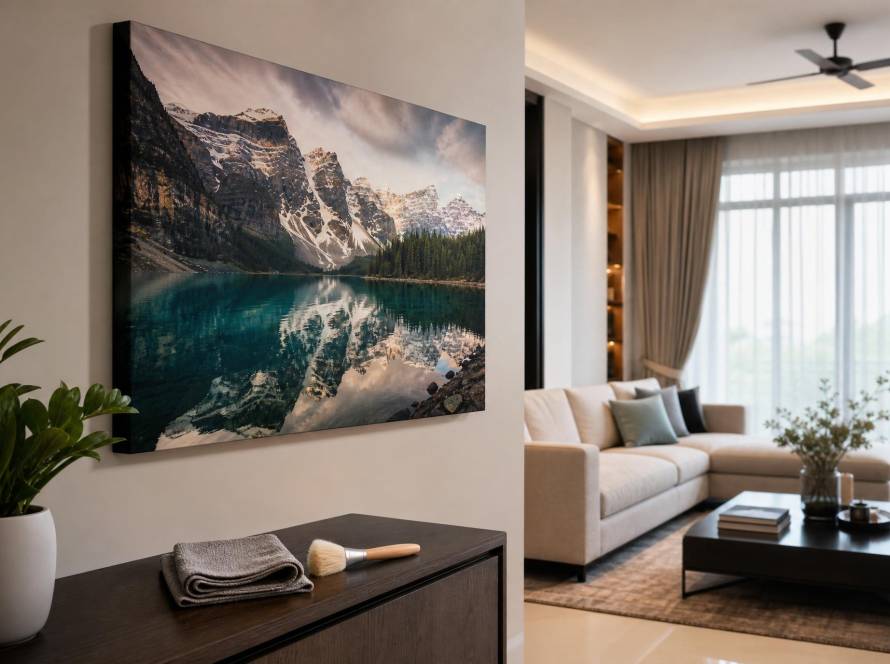
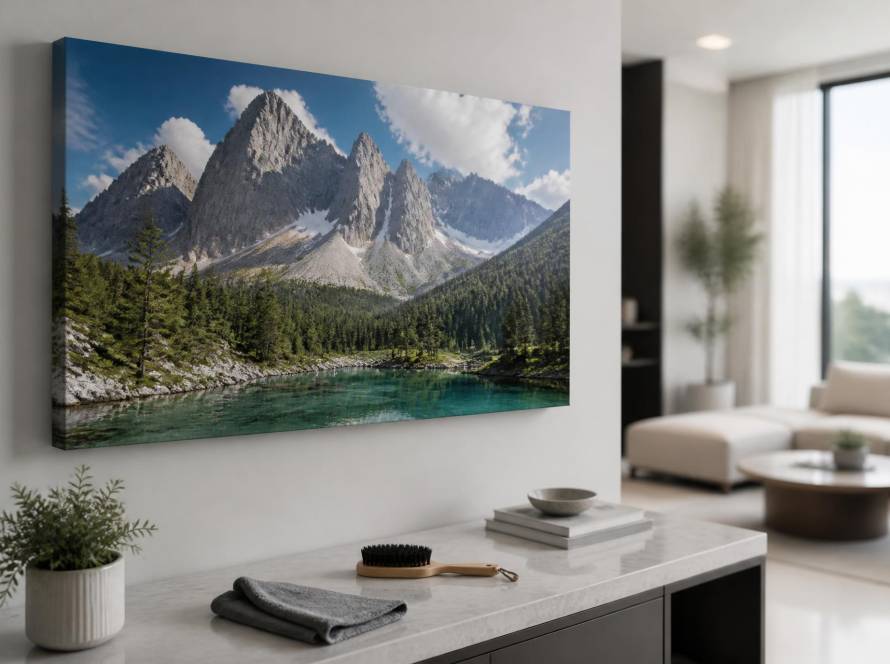
Nothing transforms a room quite like a beautifully printed canvas. Whether it’s a favourite family portrait, a holiday snapshot, or a carefully chosen art piece, your canvas print deserves to stay as vivid as the day you first unboxed it. With Singapore’s tropical climate, the challenge is real — high humidity, occasional moisture, and strong indoor light can take a toll over time. The good news? With the right canvas print care tips, you can keep your art gallery-worthy for years. This guide covers everything you need to know about protecting your investment, from everyday habits to professional conservation options.
Understanding Factors that Dull Canvas Prints
Before we dive into solutions, it helps to understand what causes a canvas print to fade or yellow. Three main culprits are at work in most Singapore homes.
UV Light Exposure
Direct sunlight is the number one enemy of pigment. Even indirect UV rays can gradually break down the colours, making them look washed out. If your canvas hangs near a window or sliding door, it’s more exposed than you might think.
Humidity and Moisture
Singapore’s average relative humidity hovers around 80% year-round. Canvas fibres can absorb moisture from the air, leading to warping, mould, or mildew. This doesn’t just affect the canvas itself — it can also cause the print surface to develop a cloudy haze or yellow tinge over time.
Dust and Airborne Particles
Fine dust settles on canvas surfaces just as it does on furniture. Left alone, the particles can embed into the fabric, dulling colours and reducing clarity. In condos or HDB flats with open windows or fans, this process is even faster.
Tools and Products for Canvas Maintenance
Basic care doesn’t require specialised equipment. A few household items — used the right way — will keep your canvas prints looking sharp.
Soft Dusting Tools
Use a microfiber cloth (the kind you’d use for glasses or screens) or a soft, clean paintbrush to gently remove surface dust. Avoid feather dusters, which can scratch the print or leave behind fibres. For a deeper clean, a can of compressed air can blow dust out of textured canvas without direct contact.
Gentle Cleaning Solutions
If you need to remove a small smudge or spot, dampen (do not soak) a clean cloth with distilled water. Gently dab the area — never rub, as that can disturb the ink layer. For stubborn marks, a tiny drop of mild, pH-neutral soap mixed with water can help. Test it on a corner first, and dry the area immediately with a separate dry cloth.
Mould Prevention Products
In high-humidity areas like bathrooms, kitchens, or even certain bedrooms in older flats, a small dehumidifier near the print can make a big difference. Silica gel packs placed discreetly behind the frame (if the frame allows airflow) also help absorb excess moisture.
Routine Checks: Identifying Wear and Tear Early
Set a simple monthly reminder to inspect your canvas prints. Catching problems early makes solutions easier and cheaper.
Visual Inspection
Hold the canvas at a 45-degree angle under normal room light. Look for:
- Any dull or faded patches compared to the rest of the print.
- Small spots of discoloration (yellow, brown, or white) that could indicate mould or water damage.
- Cracks in the ink layer, especially near the edges of the canvas.
Physical Check
Run your clean hand lightly over the surface. If you feel any rough or raised areas, those might be dust clumps or early mould. Also check the stretcher bars (the wooden frame behind) for any signs of warping or swelling.
Environmental Check
Consider where the print hangs. Has a new air conditioner or window been installed that changes the airflow? Have you added a plant that increases local humidity? These small changes affect your print’s surroundings.
If you want to see how different sizes and finishes hold up over time, browse Canvas Craft’s gallery for real examples.
Protective Coatings and Their Benefits
For extra protection, especially in high-traffic or high-humidity areas, a protective coating can be applied to the canvas surface.
What Are Protective Coatings?
These are clear, invisible layers — usually a UV-resistant spray or a brush-on varnish — that seal the print. They block UV rays, add a layer against moisture, and make the surface slightly easier to dust.
Types of Coatings
- UV-resistant sprays: Best for prints near windows. They help prevent fading without changing the appearance or feel of the canvas.
- Matte vs. gloss varnishes: Matte varnishes reduce glare and are popular for photographs. Gloss varnishes enhance colour saturation. Both protect the ink from light and minor abrasion.
Application Tips
Always apply coating in a well-ventilated area. Hold the spray can at least 30 cm away and use several thin coats rather than one thick layer. Allow each coat to dry fully before the next. For best results, consider having a professional do it — for instance, at Canvas Craft, each print can be finished with a protective coating during production. You can enquire about this option when placing your order.
Customer Success Stories: Maintaining Vibrancy Over Years
Real homes in Singapore show the difference that careful maintenance makes.
Mrs Tan’s Family Portrait in a Jalan Besar Condo
Mrs Tan had a large canvas family portrait hanging in her living room, which gets direct morning sun. After two years, she noticed the edges of the print looked slightly paler. She rotated the print to a wall without direct light and added a UV spray coating. Now, five years later, the portrait still looks as vivid as when her family received it as a gift.
David’s Travel Photo in a Bukit Panjang BTO
David mounted a favourite travel photo on canvas and hung it in his home office. The room was well-shaded but had high humidity during rainy months. He started using a small dehumidifier and dusting with a microfiber cloth weekly. After three years, the colours remain punchy, and the canvas shows no signs of mould or warping.
A Gift That Lasted
For a wedding anniversary, a couple received a canvas print from Canvas Craft. They placed it in their living room away from windows and cleaned it with a dry cloth once a month. The print has stayed bright for over seven years, becoming a cherished centrepiece of their home.
These stories prove that you don’t need expensive solutions — just smart habits and a little attention.
Common Pitfalls to Avoid in Canvas Care
Even well-meaning owners sometimes make mistakes. Here are the most frequent ones, and how to steer clear.
1. Hanging in Direct Sunlight
It’s tempting to place art where the light shows it off, but UV damage is cumulative. Use curtains or blinds during peak sun hours, or choose a shaded wall.
2. Using Harsh Cleaners
Bleach, ammonia, alcohol, or glass cleaners can strip the ink or yellow the canvas. Stick to water or specialised art cleaners.
3. Ignoring Humidity Spikes
Singapore’s weather is unpredictable. During the monsoon season, humidity indoors can rise quickly. Keep a small hygrometer near your canvas to monitor moisture levels. Ideally, keep relative humidity below 65%.
4. Over-tightening or Misaligning the Frame
If your canvas is stretched on a frame, the tension should be even. An uneven frame can cause the canvas to sag or distort the print over time. If you notice sagging, consult a professional to re-stretch it.
5. Stacking or Storing Prints Flat
If you ever need to store a canvas, never stack items on top of it. Store it upright, wrapped in acid-free paper or a breathable cotton sheet. Plastic wrap traps moisture and can lead to mould.
Frequently Asked Questions
How often should I dust my canvas prints?
For most Singapore homes, once every two to three weeks is sufficient. If you live near a busy road or construction area, weekly dusting is better.
Can I use a wet cloth to clean my canvas?
Only if the cloth is almost dry — damp, not wet. Excess water can soak into the canvas and cause damage. Always dry the area immediately.
Will a protective coating change the look of my print?
Matte coatings preserve the original look with reduced glare. Gloss coatings add a slight shine and may make colours appear richer. It’s a matter of personal preference. You can discuss options with Canvas Craft when ordering.
Is it safe to hang canvas prints in the kitchen or bathroom?
These rooms have higher humidity and grease or steam. If you must hang art there, choose a location away from direct steam (e.g., not above the stove or shower) and use a protective coating. Regular monitoring is essential.
How do I know if my canvas has mould?
Look for small black, green, or white spots, or a musty smell. If the mould is on the surface only, you can carefully clean it with a very mild soap solution and dry it thoroughly. If it has penetrated the canvas, consult a professional conservator.
Remember, your canvas prints are a reflection of your memories and style. With these canvas print care tips, you can enjoy them for decades. For any further questions, feel free to reach out to Canvas Craft’s team or visit our FAQ page.