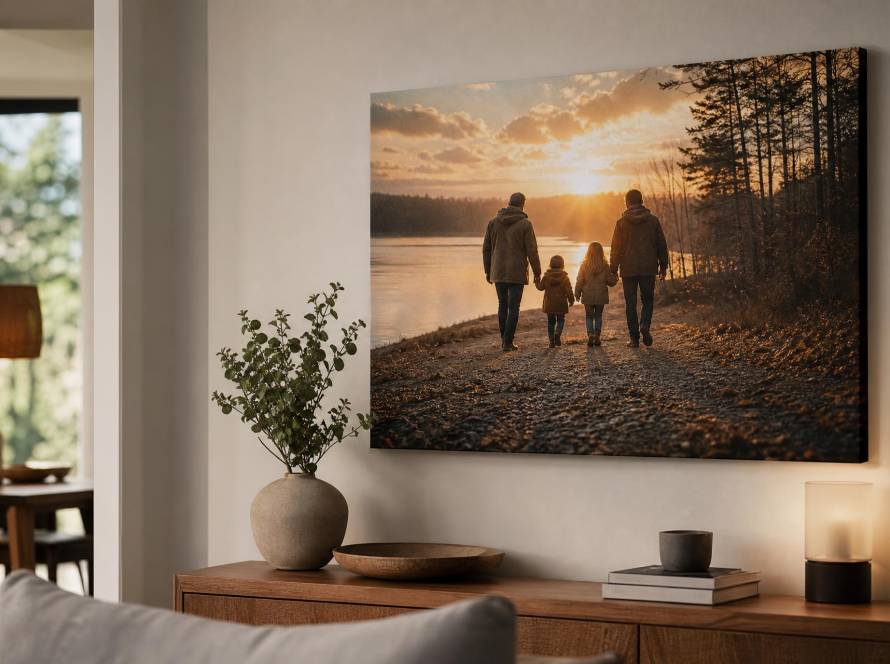
Community centres, neighbourhood clubs, and shared spaces in Singapore serve as gathering points for residents, hobby groups, and events. The walls of these spaces often present a blank canvas—literally—for creating a welcoming and meaningful environment. Whether you are a committee member, a facility manager, or a volunteer helping to refresh a common area, choosing the right wall art can make a significant difference. This guide offers practical, specific ideas for selecting and using canvas wall art in community-oriented settings, with a focus on local relevance and long-term value.
Selecting Themes That Reflect Local Identity and Activities
The most effective wall art for a community space connects with the people who use it. Start by considering the neighbourhood’s character. For example, a club in a mature estate like Toa Payoh might feature heritage-themed canvases showing old photographs of the area, while a centre in a newer town like Punggol could highlight nature and waterfront scenes. Themes can also reflect the activities that take place in the space: a multi-purpose hall used for dance classes might display dynamic movement-inspired art, while a reading corner could benefit from calm, nature-based imagery. Avoid generic stock photos; instead, source images that feel authentic to the community, such as local landmarks, festivals, or everyday scenes from the neighbourhood.
Durability and Finish Considerations for High-Traffic Areas
Community spaces in Singapore see heavy use, with high foot traffic, occasional spills, and fluctuating humidity. When choosing canvas prints, prioritise durability. Look for canvases with a matte or satin finish rather than glossy, as matte surfaces reduce glare under bright lights and hide minor smudges better. Ensure the canvas is stretched over a sturdy wooden frame (typically kiln-dried pine) to prevent warping in humid conditions. For areas near entrances or corridors where people may brush against the wall, consider a protective UV laminate coating to resist fading and make cleaning easier. While specific product details vary, a reputable printing service will offer options for thicker canvas and reinforced edges. Canvas Craft, for instance, provides a range of finishes and sizes suitable for such environments, and customers can explore the gallery for examples of durable wall art.
Layout Options for Lobbies, Corridors, and Meeting Rooms
The layout of canvas art should match the function and dimensions of the space. Here are three common scenarios:
Lobbies and Reception Areas
These spaces set the tone for visitors. A single large canvas (e.g., 60 x 90 cm or larger) featuring a striking local scene or a community mission statement works well. Alternatively, a triptych—three canvases of equal size hung side by side—can create a balanced, professional look. Keep the centre of the artwork at eye level (about 145–150 cm from the floor).
Corridors and Hallways
Long, narrow corridors benefit from a series of smaller canvases arranged in a linear sequence. For example, a timeline of the community centre’s history or a photo series of past events can turn a walkway into a storytelling path. Leave 5–8 cm between each canvas for visual breathing room.
Meeting Rooms and Multi-Purpose Rooms
In rooms where people sit and talk, place art on the wall opposite the main seating area. A single large canvas or a grid of four smaller canvases can serve as a focal point without distracting from presentations. Avoid placing art directly behind a speaker’s head, as it can be visually cluttered.
Balancing Informative and Decorative Content on Canvases
Community spaces often need to display practical information—such as opening hours, upcoming events, or safety notices—alongside decorative art. Canvas prints can serve both purposes if designed thoughtfully. For instance, a canvas could feature a beautiful photograph of the neighbourhood with a subtle overlay of text listing key contact details. Alternatively, use a dedicated canvas for information, designed with clean typography and a colour palette that matches the room’s decor. Keep text concise: no more than 20–30 words per canvas for readability. Avoid cluttering the design; white space helps the message stand out. If you need to update information frequently, consider using a separate notice board or digital display instead of a permanent canvas.
Lighting and Placement Tips for Communal Spaces
Proper lighting enhances the impact of canvas art. In Singapore’s tropical climate, natural light can be harsh and cause glare or fading. Position canvases away from direct sunlight, especially near large windows. If the room uses fluorescent or LED ceiling lights, aim for even, indirect illumination. For a dramatic effect, install picture lights (warm LED strips or spotlights) above or below the canvas, angled at 30 degrees to minimise reflections. In dimly lit corridors, consider backlighting the canvas with a thin LED panel behind the frame—though this requires professional installation. Always test the lighting at different times of day to ensure the artwork looks its best.
Co-Created Artwork: Community Photo Collections and Contributions
One of the most engaging ways to fill a community space is to involve the people who use it. Organise a community photo drive where residents submit images of their favourite local spots, family moments, or nature shots. Select a curated set of 10–20 photos and print them as a cohesive canvas collage or a series of individual canvases. This approach not only creates unique art but also fosters a sense of ownership and pride. For example, a residents’ committee could run a “My Neighbourhood” photo contest, with winning entries printed on canvas and displayed in the clubhouse lobby. Ensure you obtain written permission from all contributors and credit them on a small label near the artwork. This method is low-cost and highly personal, making the space feel truly communal.
Budgeting and Procurement Advice for Community Groups
Community groups in Singapore often work with limited budgets. Here are practical steps to manage costs:
- Set a clear budget per canvas or per wall. Decide on a maximum spend before browsing options. Canvas prints typically range from $30 for small sizes (30 x 40 cm) to $150 or more for large custom pieces (100 x 150 cm).
- Order in bulk. Many printing services offer discounts for multiple canvases of the same size. If you need several pieces for a corridor, order them together.
- Use existing photos. Avoid paying for stock photography; use images taken by members or sourced from free, high-quality libraries like Unsplash or Pexels.
- Consider DIY framing. Some groups save money by purchasing canvas prints without frames and mounting them on simple wooden stretchers themselves.
- Apply for grants. The People’s Association and other local bodies sometimes provide funding for community beautification projects. Check eligibility before committing to a large order.
For a transparent pricing overview, visit the sizes and prices page to compare options.
Maintenance and Replacement Planning
Canvas art in high-traffic areas will eventually show wear. Plan for maintenance from the start. Dust canvases every two weeks with a soft, dry cloth or a microfiber duster. For smudges, gently wipe with a slightly damp cloth and dry immediately—never soak the canvas. Avoid using cleaning chemicals, as they can damage the print. If a canvas becomes faded or damaged after a few years, replace it. Keep a digital copy of the original image file so you can reorder the same design easily. Rotating art seasonally (e.g., festive themes during Chinese New Year or National Day) can keep the space fresh without requiring full replacement. Set a reminder to review the condition of all canvases every six months.
Frequently Asked Questions
What size canvas is best for a small community room?
For a room under 30 square metres, a single canvas around 40 x 60 cm or a pair of 30 x 40 cm canvases works well. Avoid oversized pieces that overwhelm the space.
Can canvas prints be used outdoors in Singapore’s weather?
Standard canvas prints are not designed for outdoor use due to humidity and rain. For covered outdoor areas like sheltered walkways, use weather-resistant materials such as aluminium composite panels or acrylic prints instead.
How do I ensure the colours in my photo print accurately?
Request a colour proof or test print before ordering a large batch. Most printing services, including Canvas Craft, offer proofing options. Calibrate your monitor or use a professional editing service for best results.
What is the typical turnaround time for canvas prints in Singapore?
Turnaround times vary by provider and order size. For standard sizes, expect 3–7 working days. Bulk orders may take longer. Always confirm the timeline before placing an order, especially if you have a deadline for an event.
How can I hang multiple canvases evenly?
Use a level and measuring tape. Mark the wall with pencil dots for each hanging point. For a grid layout, create a cardboard template of the spacing to ensure consistency. Alternatively, use a picture-hanging system with a rail and wires for easy adjustments.
For more inspiration and to browse ready-made options, explore the gallery or contact the team via the contact page for custom orders. Canvas wall art can transform a community space from functional to inviting—with thoughtful planning, it becomes a lasting asset for everyone who walks through the door.