You’ve invested in a beautiful canvas print to decorate your HDB flat, landed home, or to give as a thoughtful gift. To ensure your cherished artwork looks vibrant for years, proper care is essential. Singapore’s unique climate—with its intense sunlight and high humidity—presents specific challenges. This clear, practical guide outlines the essential dos and don’ts for canvas maintenance, helping you protect your investment without any hype or guesswork.
Routine Cleaning Practices for Canvas Prints
Dust is the most common foe of canvas art. Regular, gentle cleaning prevents a dull, grimy buildup.
The Right Way to Dust
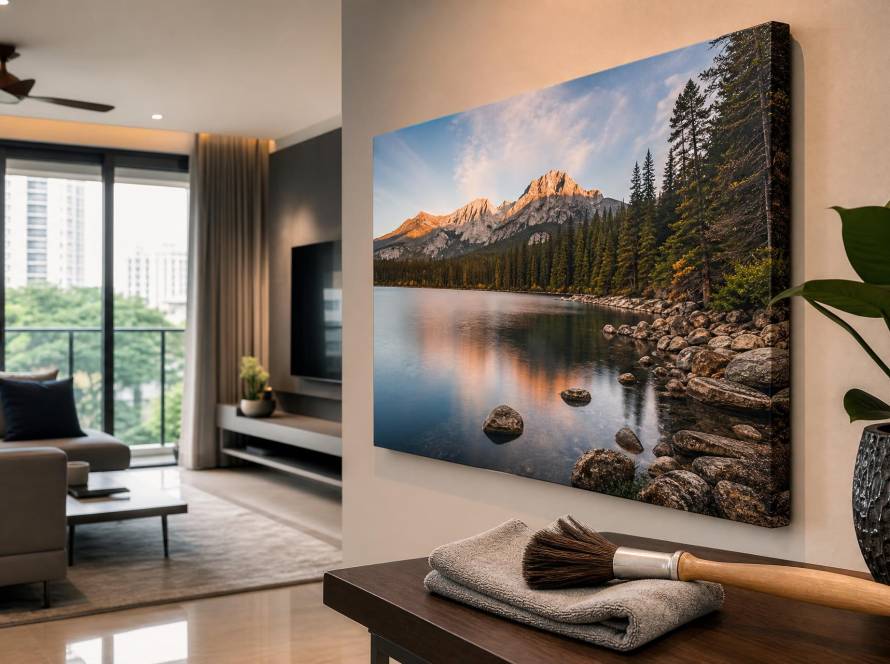
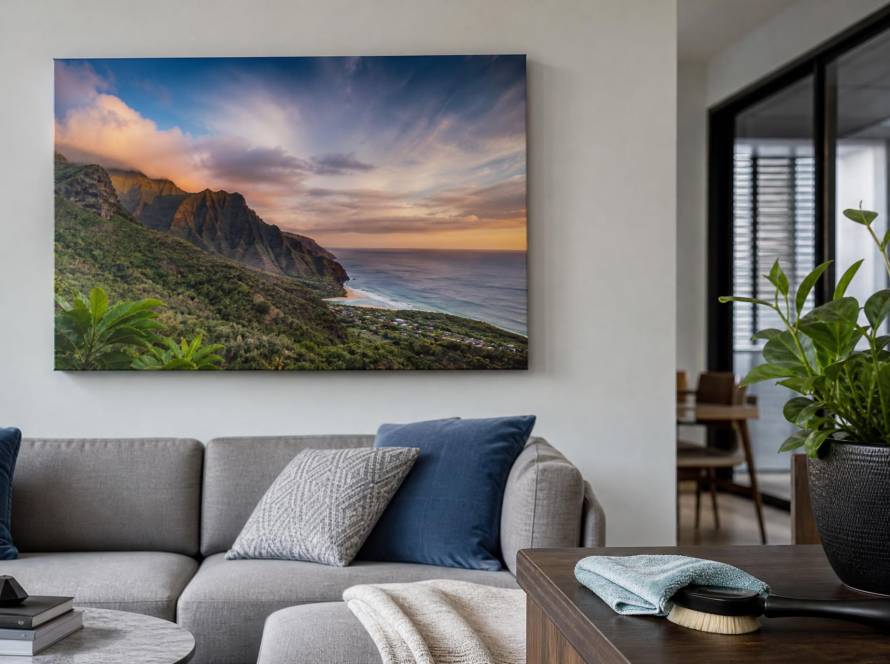
Do: Use a clean, soft, dry microfibre cloth or a very soft artist’s brush. Gently wipe or brush the canvas surface in one direction, starting from the top and working downwards. For a slightly deeper clean, you can lightly dampen the microfibre cloth with distilled water, but always test on a small, inconspicuous corner first.
Don’t: Use feather dusters, which can snag on the canvas texture, or rough cloths like paper towels. Never spray cleaning solutions, glass cleaner, or water directly onto the canvas, as liquids can seep into the material and damage the print or cause mould in our humid climate.
Avoiding Environmental Damage: Sunlight and Moisture
Environmental protection is the most effective form of canvas print care.
Managing Sunlight Exposure
Do: Hang your canvas in a spot that receives indirect or diffused light. Consider using UV-filtering window films, which are widely available in Singapore, especially for sun-facing windows in BTO flats or condos. Rotating artwork between sunny and shaded spots in your home can also help even out any potential fading over time.
Don’t: Hang valuable canvas prints in direct, unfiltered sunlight. Prolonged exposure will cause colours to fade and the canvas material to become brittle. This is crucial for prints that hold sentimental value, like wedding or family portraits.
Managing Humidity and Moisture
Do: Use a dehumidifier in rooms where you display multiple artworks, especially during the peak of the monsoon season. Ensure good air circulation. Kitchens and bathrooms, with their steam and moisture fluctuations, are generally poor locations for canvas art.
Don’t: Hang canvas prints directly above active air-conditioner vents or heaters. The constant blast of very dry or cold air can cause the canvas to contract and potentially warp the frame over time. Avoid placing them where they might be splashed.
Using Protective Sprays and Varnishes
An additional layer of protection can be a wise choice.
Do: Consider applying a conservation-grade, UV-protective spray varnish if you are displaying a print in a potentially challenging environment. These sprays, available at art supply stores, can offer a barrier against dust, moisture, and UV rays. Always test on a sample piece first and apply in a well-ventilated area according to the manufacturer’s instructions. At Canvas Craft, we use high-quality archival inks, but a protective spray can add an extra safeguard.
Don’t: Use generic sealants, hairspray, or any product not designed for fine art prints. Incorrect products can yellow, crack, or create a sticky surface that attracts more dirt.
DIY Repair Tips for Minor Damages
Small issues can sometimes be addressed at home with care.
For minor surface scratches: Very gently buff the area with a clean, soft artist’s eraser. Do not rub hard.
For small dents in the canvas: Lightly mist the *back* of the canvas (not the front!) with distilled water using a fine spray bottle. As the canvas fibres absorb moisture, they may expand and cause the dent to lessen. Allow it to dry naturally at room temperature—never use a hair dryer.
For dust in deep textures: Use a can of compressed air (like those for cleaning electronics) held at least 15-20 cm away to blow dust out of heavily textured prints. For more detailed guidance on handling your prints, our FAQ page covers common questions.
Don’t: Attempt to repair tears, major scuffs, or water stains yourself. DIY attempts with glue, tape, or colouring tools often cause more damage, making professional restoration more difficult and costly.
Professional Cleaning and Restoration Services
Know when to call in the experts.
Do: Seek professional advice for valuable, vintage, or significantly damaged pieces. In Singapore, several art conservation studios can assess and treat issues like deep stains, mould, tears, or structural problems with the stretcher frame. The investment is worthwhile for irreplaceable art.
Don’t: Assume major damage is a lost cause. Professionals have techniques and solvents not available to the public that can salvage artworks you might think are beyond repair.
Storing Unused Canvas Art Safely
Whether you’re between homes, redecorating, or keeping gift prints for future occasions, proper storage is key.
Do: Store canvases upright (like books on a shelf) in a cool, dry, and dark place. Place acid-free tissue paper or a clean cotton sheet between them to prevent scratching. For long-term storage, consider wrapping each piece in acid-free paper and placing it in a sturdy cardboard picture box. In Singapore, using silica gel packets in the storage area can help combat humidity.
Don’t: Stack canvases flat with heavy items on top, as this can cause permanent dents and pressure marks. Avoid storing in cardboard boxes directly on the floor, especially in basements or storage rooms prone to dampness or flooding.
Common Mistakes to Avoid During Maintenance
A quick summary of critical don’ts:
- Using harsh chemicals or abrasive tools for cleaning.
- Ignoring the frame. Dust the wooden stretcher bars at the back occasionally to prevent dust mites, especially in our humid environment.
- Frequently moving or handling the canvas by the front surface; always hold it by the sides of the stretcher frame.
- Neglecting the hanging hardware. Check the wires and hooks annually, particularly for larger prints, to ensure they are secure, especially after any wall renovation work.
Following these practical canvas print care steps will greatly extend the life and beauty of your artwork. It allows you to enjoy the memories and décor you’ve created, whether it’s a personalised family portrait from Canvas Craft for your living room or a stunning landscape gifted for a housewarming.
Canvas Print Care FAQ
Q: Can I clean my canvas print with a slightly wet cloth?
A: It’s not recommended. Lightly dampening a soft microfibre cloth with distilled water is the maximum moisture you should use, and only if necessary. Always dab gently, don’t rub, and test on a corner first. Excess moisture is a risk in Singapore’s humidity.
Q: How often should I clean my canvas print?
A> A light dusting with a dry microfibre cloth once a month is sufficient for most indoor environments. In dustier areas or homes with pets, you may need to do it every two weeks.
Q: Is it okay to display canvas prints in my air-conditioned living room?
A> Yes, air-conditioned rooms are generally good as they control humidity. However, avoid hanging the canvas directly in the path of the cold air vent, as the constant direct airflow can be damaging over time.
Q: What should I do if my canvas print gets wet?
A> Immediately blot away any surface moisture with a clean, absorbent cloth. Then, place the canvas in a well-ventilated, room-temperature area to dry naturally, away from direct sunlight or heat sources. If the canvas is deeply saturated or the image bleeds, contact a professional art restorer.
Q: Does Canvas Craft offer any specific care advice for their prints?
A> We ensure all our prints are made with high-quality, archival materials for durability. The care tips in this article apply well to our products. For specific questions about an order, you can always reach out through our contact page.