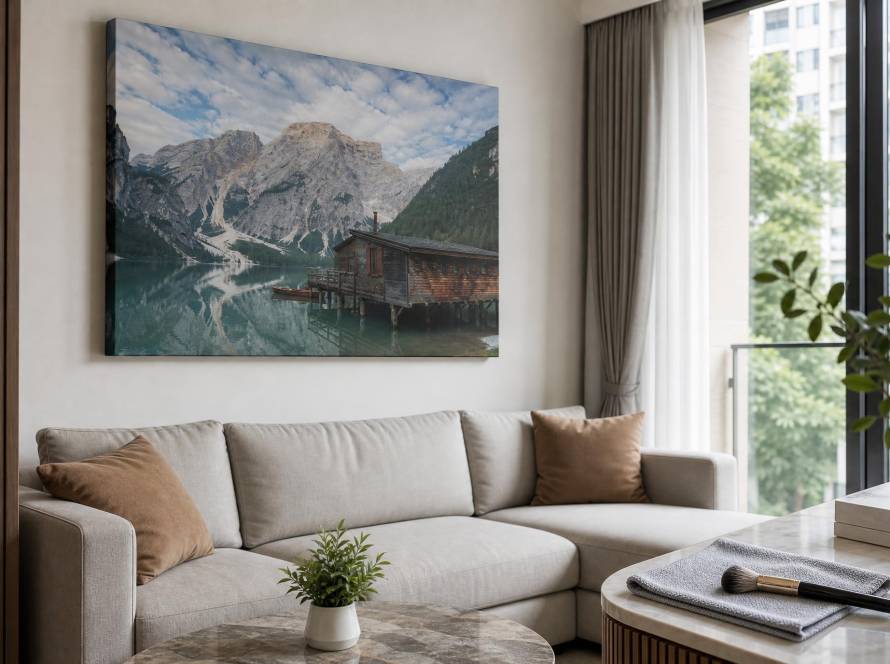
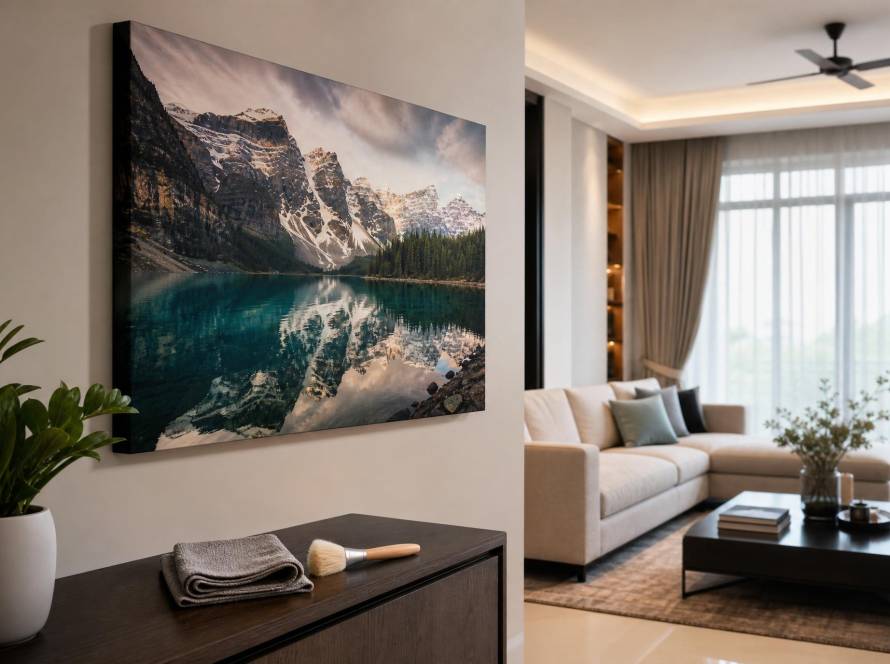
There is a quiet beauty in Singapore’s heritage homes—the slender jalan tiles, the high ceilings, the wooden louvred windows that catch the afternoon breeze. If you live in a conservation shophouse, a black-and-white bungalow, or even a mature HDB flat with original terrazzo floors, you know the warmth these spaces carry. But how do you introduce art without clashing with the past? The answer lies in a thoughtful canvas print selection that bridges old-world charm with modern living.
Understanding the Aesthetics of Heritage Houses
Singapore’s heritage homes are not just architectural relics; they are living spaces with distinct personalities. A conserved shophouse along Joo Chiat Road often features pastel-coloured façades, ornate plaster mouldings, and pintu pagar (swing doors) that separate the five-foot way from the interior. Inside, the proportions are generous—high ceilings, long corridors, and floor-to-ceiling windows that invite tropical light.
Black-and-white bungalows from the colonial era, found in areas like Alexandra Park or Sembawang, offer a different canvas: whitewashed walls, dark timber beams, and deep verandahs. Even older HDB estates built in the 1970s and 80s have their own heritage—minimalist charm—spare lines, sliding windows, and mosaic tile motifs.
When you choose a canvas print for such a home, you are not just filling a wall. You are having a conversation with the architecture. The goal is harmony, not competition. A large, high-gloss poster of a neon cityscape might work in a sleek condo; in a heritage home, you want something that respects the rhythm of timber and tile.
Canvas Styles That Complement Historical Elements
Timeless Black-and-White Photography
Black-and-white photography is a natural ally for heritage interiors. A muted monochrome street scene of old Chinatown, for example, echoes the sepia tones of vintage photographs while keeping the look crisp and current. The absence of colour helps the image sit quietly against a wall of dark wood panelling or a backdrop of green glazed tiles.
A black-and-white canvas print also works well in a hallway with original floor tiles. The lack of colour distraction allows the geometric tile patterns to remain the hero of the space.
Botanical and Nature-Inspired Prints
Heritage homes in Singapore often blur the line between indoors and outdoors. Shuttered windows, courtyard wells, and leafy gardens are part of the experience. A botanical canvas print—say, a close-up of a frangipani or a study of tropical leaves—reinforces that indoor-outdoor connection. Opt for watercolour-style botanicals or fine-art photographs with a matte finish to avoid a shiny, commercial look.
Canvas Craft offers a range of archival-quality prints that sit well in such settings. Because the colours are printed on textured canvas using pigment inks, the final piece has a painterly depth that feels at home next to antique furniture.
Abstract Art with Warm Tones
Not all heritage homes need strictly representational art. A well-chosen abstract canvas—especially one with warm ochres, terracottas, or earthy greens—can pick up the subtle hues found in vintage tiles and restored plaster. The key is scale. A single, large abstract piece on a majour wall of a black-and-white bungalow can act as a modern anchor without overwhelming the room’s period features.
Color and Texture Choices for Seamless Integration
The physical texture of a canvas itself matters as much as the image. For heritage homes, a matte, textured surface is almost always preferable to a glossy laminate. Glossy finishes reflect light harshly and can feel out of step with the centuries-old character of a shophouse.
At Canvas Craft, you can choose between different canvas depths. A thin gallery wrap (1.5 cm) is unobtrusive), while a thicker 4cm depth adds presence—ideal for a feature wall. For a heritage interior, the thinner profile often works better because it mimics the slim frames of antique paintings.
When selecting the colour palette, avoid overly bright or fluorescent hues. Instead, draw from the existing palette of your home: the mint green of a renovated Shophouse wall, the warm wood of a restored table, or the deep blue of a Peranakan tile. Your canvas should feel like it could have been there all along.
Interviews with Homeowners on Art Selection
“When we moved into our 1920s shophouse in Katong, I was terrified of making it look like a museum,” says Alicia Tan, a graphic designer who lives with her husband in a two-storey conservation unit. “We wanted art that felt personal but didn’t fight the architecture.”
She chose a series of three small canvas prints from Canvas Craft featuring leaves of the monstera plant. “The green ties into the jalousie window slats, and the matte canvas makes them look like original watercolours. Guest often think I painted them myself.”
Another homeowner, Ramesh Pillai, lives in a black-and-white bungalow in Sembawang. He opted for a large panoramic canvas of a misty landscape. “The high ceiling needed something big, but nothing too busy. The subtle greys match the exposed wood beams perfectly. It’s the first thing people comment on when they enter.”
Both homeowners emphasize one common point: don’t rush the choice. step back, look at your space, and let the architecture guide you.
Protecting Art in Older Structures: Additional Tips
Singapore’s tropical climate poses unique challenges for any wall art. Heritage homes, with their older windows and lower insulation, can experience more humidity fluctuation than a modern HDB flat. Here are practical steps to keep your canvas prints in top condition:
Control Humidity
Use a dehumidifier in the room, especially if the home has an enclosed courtyard or if the kitchen and bathroom are nearby. Aim for relative humidity between 40-60%. Avoid hanging canvas directly on external walls that receive morning sun; the combination of heat and moisture can cause the canvas to warp over time.
Avoid Direct Sunlight
Many heritage homes are blessed with deep window recesses that cast beautiful shadows. Use them to your advantage. hang the canvas in a spot where sunlight does not fall on it for more than a couple of hours a day. If that’s not possible, consider UV-protective glass over the canvas (Canvas Craft offers this as an option upon request).
Dust Gently
Use a soft, dry microfiber cloth to dust your canvas once a month. Do not use water or cleaning sprays—they can stain the surface or cause the canvas to lose its texture. For deeper cleaning, consult a professional art restorer every few years.
Professional Installation in Heritage Buildings
Older walls can be unpredictable. Lath-and-plaster, brick, and timber—common in heritage homes—all require different fixing methods. A heavy canvas (especially with a thick frame) needs secure anchoring to avoid damage to the wall or injury from falling.
For those living in a conservation shophouse, it is also worth noting that some walls are structurally protected. Drilling into certain surfaces may require approval from the Urban Redevelopment Authority (URA) or the management corporation. always check before installing.
Canvas Craft’s team has experience working with older building types. if you are unsure about your wall’s composition, they can advise on the best hanging method—including the use of French cleats, picture rails, or non-invasive adhesive hooks for lightweight canvases. Their professional installation service ensures your print sits level and safe.
For a closer look at how canvas prints appear in various home styles, browse the Canvas Craft Gallery for real-life inspiration.
Frequently Asked Questions
What size canvas is best for a shophouse living room?
Most shophouse living rooms have high walls. A single large canvas (around 60x90cm or 80x100cm) works well as a focal point. For narrow corridors, consider a series of three smaller canvases (each about 30x40cm) arranged vertically.
Can I hang a canvas in my heritage home’s bathroom?
It is not recommended unless the bathroom has strong ventilation and you use a dehumidifier. Steam can damage the canvas adhesive and cause the print to bubble. If you must hang one, choose a small piece and laminate it with a protective coating (available upon request from Canvas Craft).
How do I clean a canvas print without damaging it?
Use a soft, dry cloth (like a lens-cleaning microfiber) to gently remove dust once a month. Never spray liquids onto the surface. For spots, consult a professional art restorer.
Will my canvas print fade in a heritage home with lots of natural light?
All our prints use archival pigment inks with 75+ year fade resistance indoors. However, prolonged direct sunlight still accelerates fading. To be safe, avoid hanging canvas prints in areas where sunlight hits the surface for more than 2 hours daily.
Do you install canvases in conservation buildings?
Yes, Canvas Craft offers professional installation for all building types. We have experience working with heritage homes and can advise on compatible mounting methods. Contact us through the Contact page to discuss your project.